A headline about “20 years in prison for AI developers” can obscure the first thing to establish: this is proposed legislation. Senator Bernie Sanders introduced S.5493 on September 23, 2026, seeking a superintelligence ban and a temporary pause in advanced AI development. GovInfo lists it as an introduced Senate bill referred to committee.
A temporary pause and a permanent prohibition
The proposal defines a category of advanced AI using the computing effort involved in training. Covered systems would face a mandatory pause on training, modification and fine-tuning. Unreleased advanced systems could not be deployed during that period.
Artificial superintelligence would face a different, permanent restriction. The definition includes systems exceeding human cognitive performance across most domains, or possessing capabilities sufficient to plan and execute humanity’s disempowerment. Prohibited activities extend beyond development and deployment to acquisition, funding and transfer.
The precursor category deserves particular attention. It covers capabilities such as greatly accelerating AI research, evading human oversight and continuing to operate despite shutdown attempts. Reading the bill as a rule for one distant, exceptionally powerful model would therefore miss much of its proposed reach.
What would end the pause?
The legislation would create a federal Department of Artificial Intelligence, supported by a scientific advisory board. The pause has no fixed calendar endpoint: it would end once the department was fully staffed and had established rules for safe development and deployment.
Those rules must include reporting plans before development, monitoring throughout the lifecycle, organizational safety audits and approval before public release. The intended change is to place oversight inside the development process, rather than relying solely on responses after a product reaches users.
Who could face the proposed prison sentence?
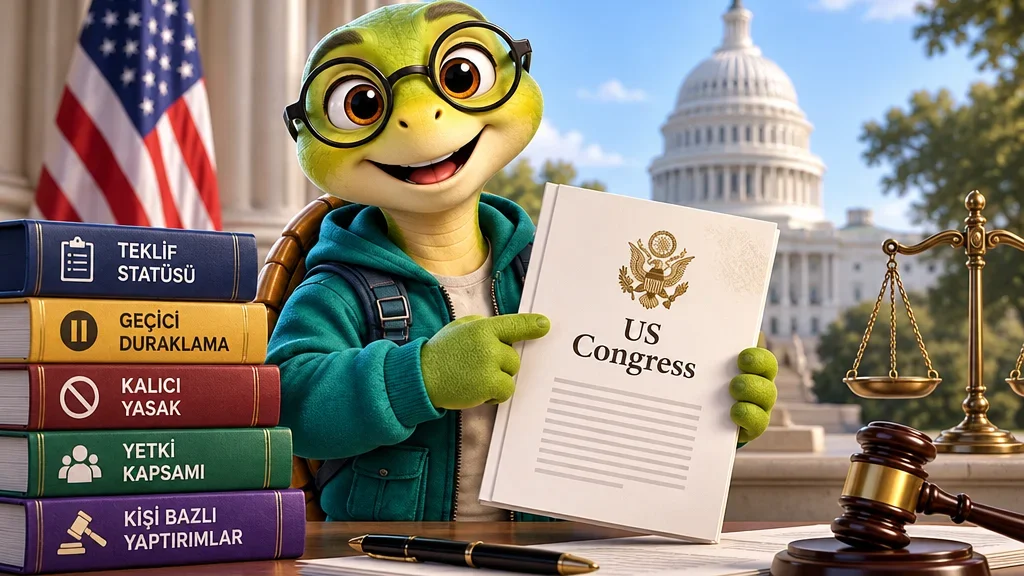
Section 13’s maximum 20-year sentence applies to covered policymaking individuals and unaffiliated actors who recklessly violate specified provisions. A separate category of other workers faces a proposed ten-year industry employment ban. Organizations could lose their authorization, with asset forfeiture in specified circumstances and review mechanisms also provided.
These distinctions matter when separating everyday product use from responsibility for developing a model. A pause on data-center construction is another policy question and should be considered separately.
The central issue is how the new powers would be applied, alongside the size of the penalty. Lifecycle supervision aims to identify problems earlier; broad capability definitions make the boundary between covered and uncovered systems especially consequential. A useful assessment must examine both the strength of oversight and the clarity of that boundary.
Ask AI about this article
Opens in a new tab with the question filled in.