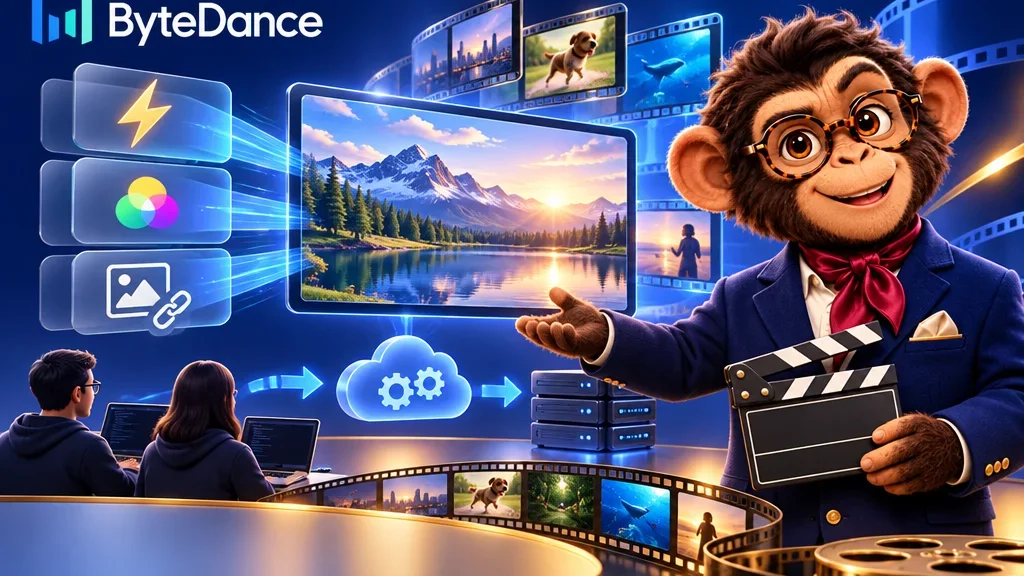
Picture a poster on a shop wall in the background of a generated shot. In many AI videos that poster turns into a smear of almost-letters the moment the camera moves. ByteDance says the new top tier of its video model is built to keep details like that readable, and in mid-November it opened that tier to developers. Here is what Seedance 2.5 4K is, how its workflow differs, and what is still undocumented.
What Seedance 2.5 4K is
Seedance is ByteDance’s family of AI video models. You give it text, images or existing footage and it generates video. In a post dated 27 October 2026, BytePlus, ByteDance’s business cloud, presented “Dreamina Seedance 2.5 4K” as the most capable model in the Seedance 2.5 generation and described it as built for enterprise work and the big screen. The name already tells you the main difference from the base 2.5 model: the target is 4K output, the resolution of cinema and high-end streaming, rather than clips meant only for a phone feed.
BytePlus also points to finer facial rendering. According to the post, film and TV clients who tested dialogue scenes saw subtler character reactions. For a talking scene that matters more than spectacle: a face that reacts a beat too late or too broadly breaks the illusion faster than a weak sky.
Draft mode: a cheap rehearsal before the final render
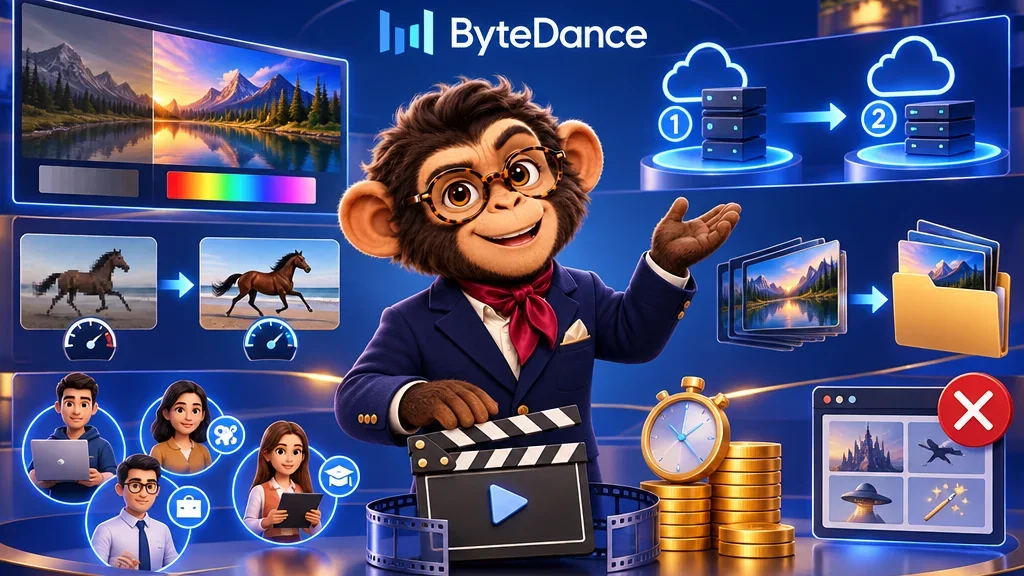
Rendering 4K is slow and costly, so ByteDance added a Draft mode. You first get a 480p preview, a low-resolution version of the same shot, and only render the final 4K version once the movement and framing look right. Think of it as a rehearsal before the expensive take. It does not make 4K cheaper, but it means fewer full-price renders end up in the bin.
Why 10-bit colour and source retention matter
BytePlus says the model outputs 10-bit colour. Bit depth is how many shades each colour channel can store; 10-bit allows far finer gradations than the common 8-bit, so skies and skin tones are less likely to show bands when a colourist pushes the grade. For film and ad teams, that headroom decides whether a clip can enter a normal post-production pipeline or only goes to social media.
The second promise concerns reference-based generation and editing, where you upload your own images or footage. BytePlus says the 4K model better preserves the quality, clarity and colour of those uploaded materials, and that fine text in references such as posters or packaging comes out clearer. For a product ad, that is the difference between a recognisable label and a guess at one.
A striking frame. What about the motion? This is the honest limit of the material: ByteDance’s claims are about image quality and fidelity to your sources, not about new camera controls.
Who can use it and through which channels
The rollout came in two steps. BytePlus framed the October launch as an enterprise product that film and post-production companies were trialling; it names early users such as Innovative Dreams, Resin and Tomorrow Film Agency, which used it for storyboards, previsualisation, background editing and animation. According to TechNode, Volcano Engine, ByteDance’s cloud platform in China, then opened API access to the 4K version for studios and software developers in mid-November, after a trial with a first group of 20 studios and directors. TechNode adds that BytePlus ModelArk lists the 4K model under the Dreamina brand.
An API is a programmatic interface: instead of clicking in an app, software sends requests and receives videos. In practice that means the model is likely to reach you through tools and platforms that integrate it, not only through ByteDance’s own apps.
What it costs
TechNode reports that Volcano Engine’s published pricing puts 4K generation at about RMB 6.03 per second of video. An eight-second shot therefore costs roughly RMB 48 at that rate before any retries, which is why the 480p Draft step is more than a convenience. Prices on other platforms that resell the model can differ.
What is still unclear
Neither the BytePlus post nor the TechNode report states a maximum clip length for the 4K tier, and neither documents new camera controls, such as copying a camera path from a reference video. You may see such workflows in tutorials; treat them as something to test on your own shots, not as a documented 4K feature.
My reading: this release is less about flashier clips and more about making generated footage usable in a real grade and edit. If your work ends on a phone screen, 1080p will often do. If you deliver to clients who colour-correct and scrutinise packaging text, the 4K tier is worth a Draft-first test, with a close eye on the per-second cost.
Ask AI about this article
Opens in a new tab with the question filled in.