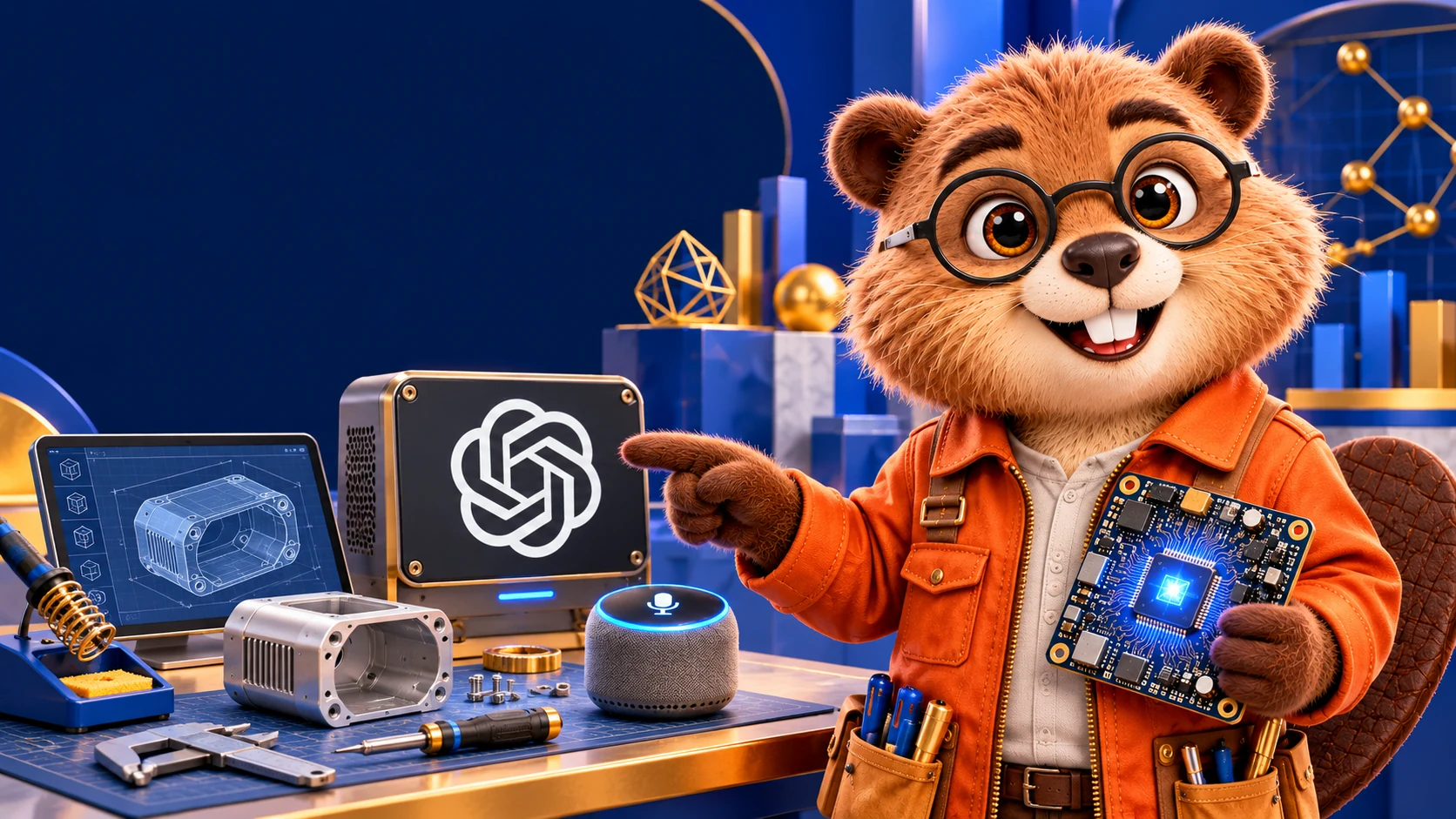
OpenAI is testing how its models can help engineers move from a digital idea to a physical object. One experiment brought enclosure design, electronics and software together in a prototype device for talking to Codex.
From an enclosure to a circuit board
In its November 3 announcement, OpenAI says GPT-6 Astra helped define the device’s requirements, shape its case and arrange the structures holding its components. The model also selected electronic parts, designed their circuit-board connections and generated interface and software elements.
Two team members developed the test device as a side project in under a week. A contract manufacturer then made a small batch of prototypes in under a month. Those figures describe this particular experiment, not a general production timetable.
The step between a design and a manufacturable product
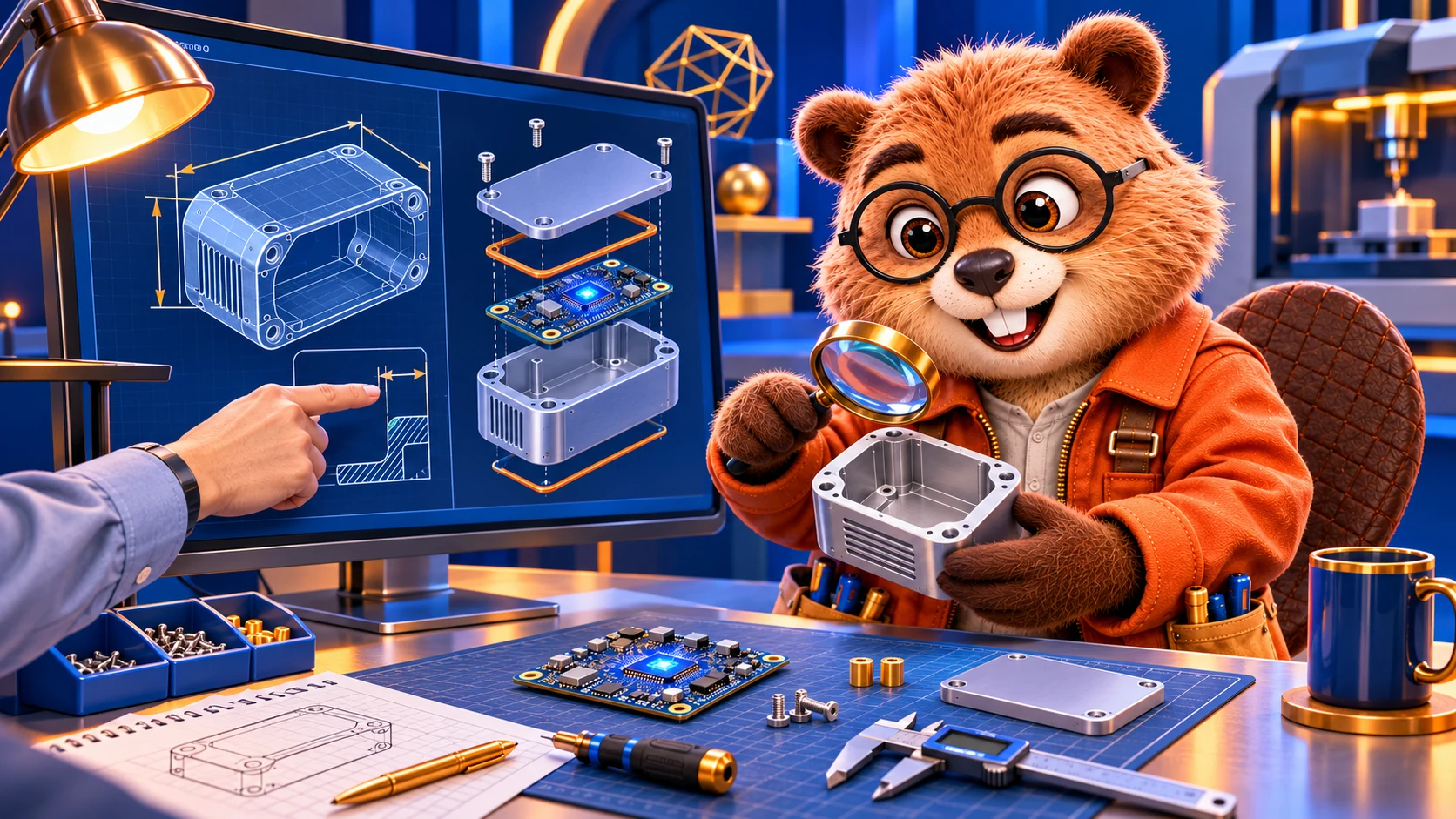
Preparing the design for production still took several rounds of review and iteration. OpenAI says Astra did not consistently account for manufacturing limits, tolerances or assembly details. A promising model output therefore still needs to be checked against the conditions in which a real part will be made.
Testing the approach on vehicles
OpenAI is also working with Chip Ganassi Racing on workflows that turn 3D scans of existing parts into editable CAD models and manufacturing drawings. The racing team’s engineers review the results for accuracy and manufacturability.
With Mazda, researchers are exploring vehicle designs using airflow and structural simulations. OpenAI describes these as ongoing collaborations and says it will share further progress in the coming months.
Ask AI about this article
Opens in a new tab with the question filled in.