
An animated artist’s identity includes more than its appearance. Phrasing, rhythm and the space left in a song also shape recognition. Writing those creative choices down gives AI-assisted music production a consistent point of reference.
Begin with an original musical brief
Describe the character’s vocal energy, sentence rhythm and emotional range. Frame the goal around an original identity rather than copying an artist’s voice. Compare alternatives on one short passage using the same listening questions.
What a Persona carries forward
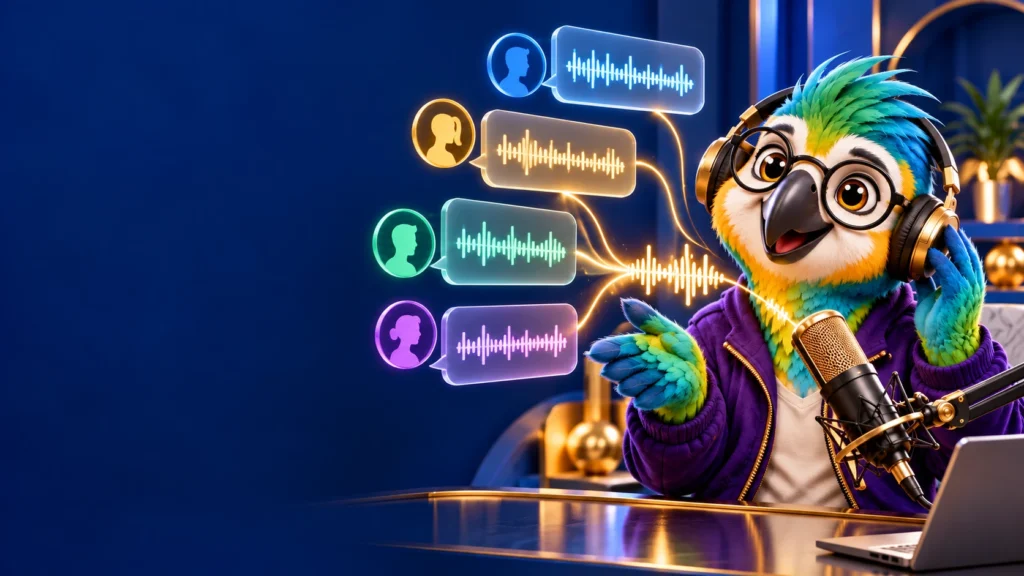
Suno’s Personas preserve vocal and stylistic characteristics from a song for later work. Selecting one brings its style details into a new generation. Visibility is a separate choice: the documentation notes Personas can be public by default and can be switched to private.
Separate the parts to revise them
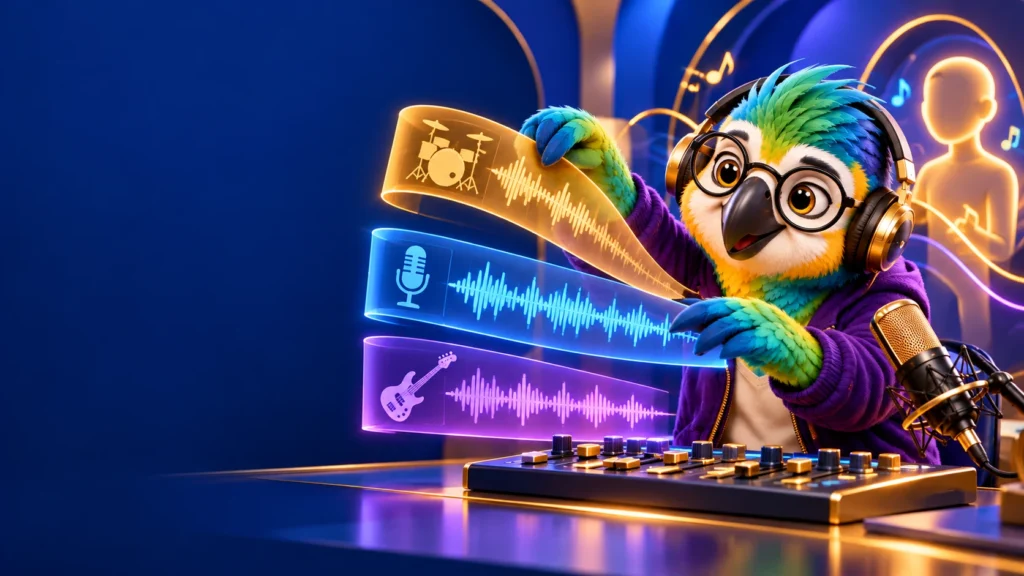
Stems let vocals, drums, bass and other components be handled individually. A change can then focus on one part rather than replacing the whole song. Available separation modes and plan requirements are listed in Suno’s current help page.
Use a consistent listening checklist
Word clarity, character-appropriate delivery and arrangement balance deserve separate notes. If the voice fits but the drums obscure a phrase, the revision concerns arrangement rather than identity. Listen to the changed part in the whole mix again.
Jasper’s assessment
Catch the detail that sets the rhythm. A recognisable character depends on consistent creative questions across songs. Persona can provide continuity and stems a place to revise; the intended musical result should guide both.