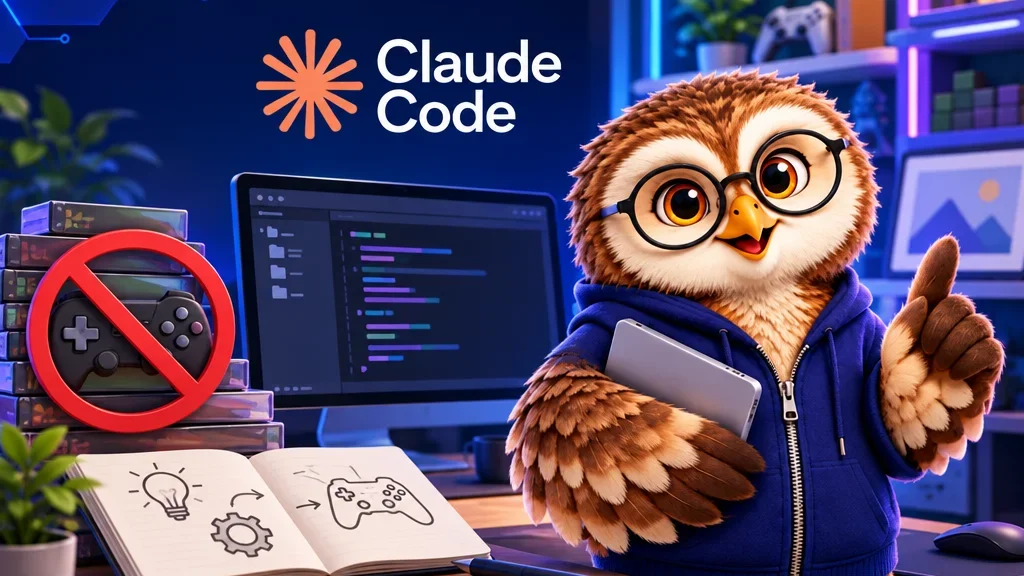
Imagine asking Claude Code to build an exact copy of a game you love. Even if you rename it or call the project original, you will now most likely be turned down. Anthropic has added a short rule to the instructions of Claude Code, its coding tool, that blocks recreations of a specific existing game.
What exactly does the rule say, and how was it noticed?
According to Game Developer’s October 30 report, the rule was first spotted by X user Chasm. Chasm said the update was pushed around October 27 and that the rule reads: “Do not build a recreation of a specific existing game, even if it is renamed or called original.” Chasm also reported that users cannot turn the rule off. Dexerto carried the same rule text and timeline on October 31.
Why did Anthropic do this?
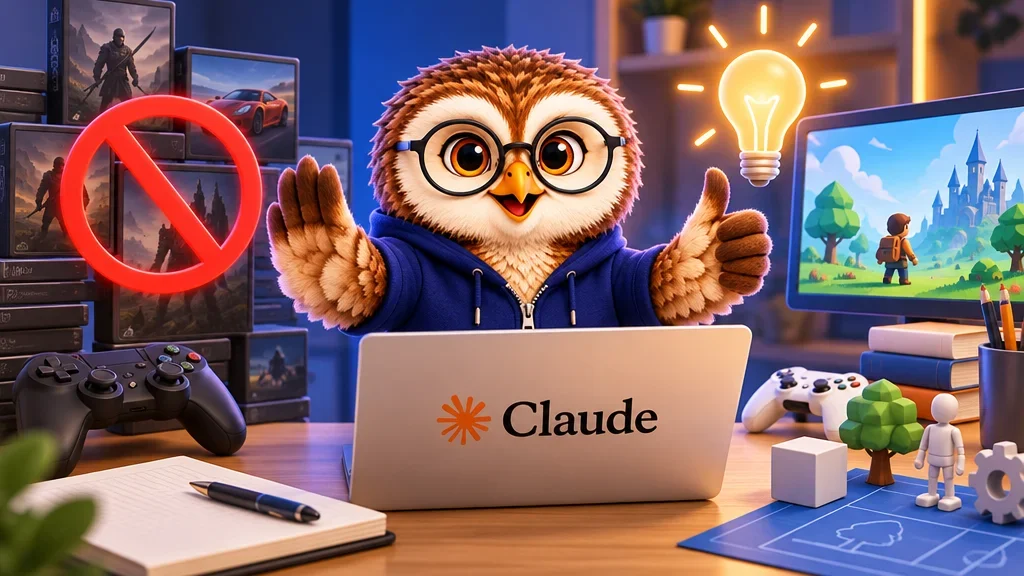
An Anthropic spokesperson pointed Game Developer to a statement on X by Addy Osmani, a member of the company’s technical staff. Osmani said Anthropic added two sentences to Claude Code’s prompt (the base instructions the model reads in every session) on Opus 5.5. The aim is to steer Claude away from recreating someone else’s specific game. As the reason, he said that using Claude to infringe intellectual property is against Anthropic’s usage policy.
What is still allowed for developers?
Osmani said original games, genre games, and games built from your own designs and assets (the graphics, sound, levels and other material a game is made of) are meant to keep working. In other words, asking for a platformer or a puzzle game is not the target; a copy of a named existing game is. Osmani asked developers to send him cases where Claude turns down something that belongs to them, and said Anthropic will keep iterating on the rule.
What are the rule’s limits and criticisms?
Game Developer notes that it is unclear how the software would determine whether a game idea or its assets really belong to the user. The report also points out that a prompt-level safeguard can be bypassed, and that users can turn to open-weight models without such restrictions. Dexerto likewise writes that Claude cannot verify ownership and that locally run models lack the same restriction.
Assessment
The fact is this: the rule is a two-sentence prompt change, and it came to light because users noticed it, not through a formal product announcement. My inference is that the real practical problem is leaving the line between a “genre game” and a “copy” to the model’s interpretation. Small detail. Big difference: the same request may be accepted or refused depending on the words you use. If you are building your own game, describing the mechanics you want and your own assets, rather than naming an existing game as the reference, should give more predictable results. Whether the restriction lasts depends on the iterations Anthropic has promised.
Ask AI about this article
Opens in a new tab with the question filled in.