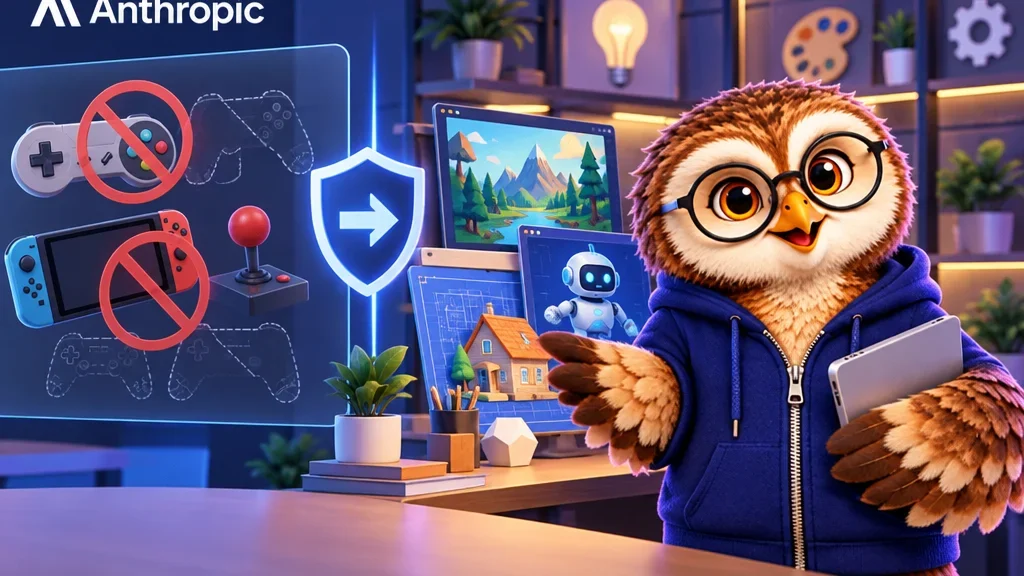
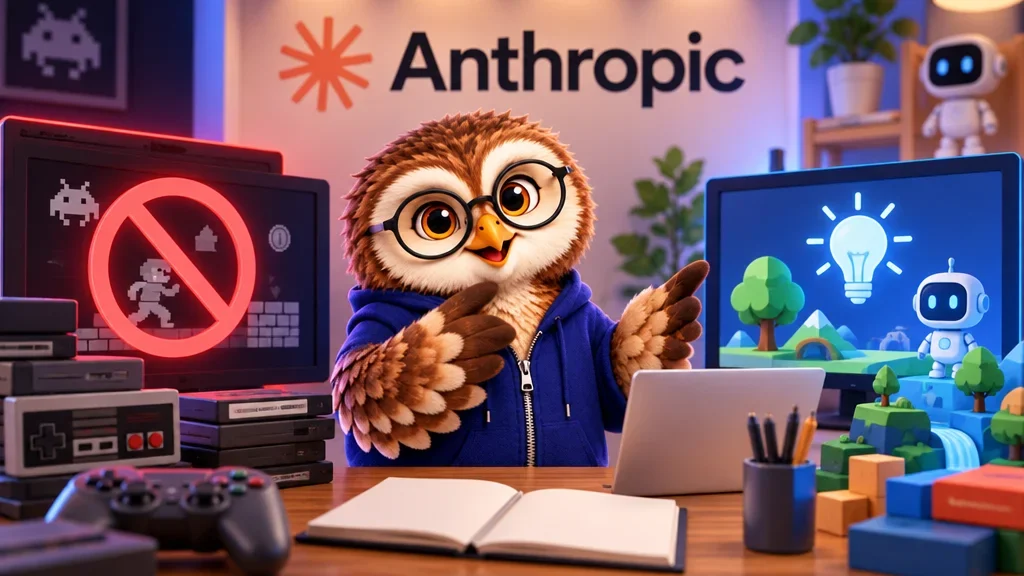
You ask Claude Code to build a small platformer, and you mention a famous game as the model to follow. Since late October, that request can end differently than it did before. Anthropic has added a short rule to Claude Code that steers its Opus 5.5 model away from rebuilding a specific existing game.
What changed, and when?
An X user named Chasm spotted the new text in Claude Code’s rules and said it was pushed around 27 October under an internal flag called “tengu_heron_brook”. The rule tells the model not to build a recreation of a specific existing game, even if the copy is renamed or called original. Claude Code is Anthropic’s coding agent: it writes and edits code for you from plain-language requests.
How does Anthropic explain it?
According to Game Developer, an Anthropic spokesperson pointed the outlet to a post on X by Addy Osmani, a member of Anthropic’s technical staff. Osmani said the company added two sentences to Claude Code’s prompt on Opus 5.5 to steer it away from recreating someone else’s specific game, because using Claude to infringe intellectual property violates its usage policy. He added that Anthropic will keep iterating. The confirmation came on 30 October, after Game Developer first published its report.
What can you still build?
The same rule says Claude should build original games, games in a genre, and games from the user’s own designs and assets. So a “roguelike with card combat” is fine; a faithful remake of one named roguelike is not. Chasm reported that there is no setting to switch the rule off.
Why does this matter to game studios?
The change lands at a tense moment. Developers have grown worried about how quickly AI tools can produce clones. Digital Sun Games cancelled a public playtest of its upcoming game ReVamp, and the developer of Moonlighter delayed a playtest of its next game for similar reasons.
Where are the limits of such a rule?
Game Developer itself notes the weak points. A prompt rule may stop only low-effort copying. It is unclear how software would judge who owns an idea or a set of assets. And anyone determined to clone a game can move to open-weight models, which carry no such instruction.
Our assessment
First, isolate the change. This is not a new detector or a legal filter; it is two sentences of instruction inside the agent. That makes it cheap to ship and easy to adjust, but also blunt. The hard part is the boundary between “inspired by a genre” and “a copy of that one game”, and a language model has to guess where your request sits. Our inference: if you build with your own designs, saying so clearly in the request is the most direct way to stay on the side the rule explicitly allows. For studios, the rule signals intent more than protection. Real protection still depends on copyright, platform policies and how fast stores act on clones.
Ask AI about this article
Opens in a new tab with the question filled in.