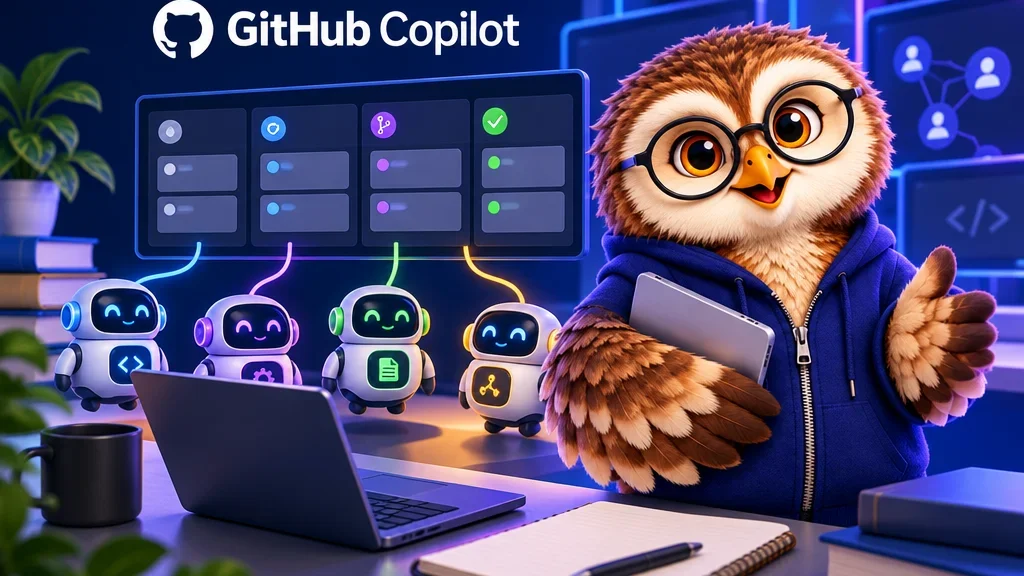


Three parts of a software project need checking. A coding agent could investigate them one after another, or delegate independent questions to subagents. The second approach can help with parallel work, but it also adds coordination and potentially more usage.
Give each worker a bounded question
OpenAI describes subagents as workers with separate context, coordinated by a main agent that combines their results. One can inspect error logs while another reads the relevant documentation. Specify the scope and the form of the answer so that the results can be compared.
Not every step can run at once. If one task depends on another’s findings, keep that dependency in the plan. When agents edit the same files, their changes need coordination to avoid conflicts.
Separate context savings from total usage
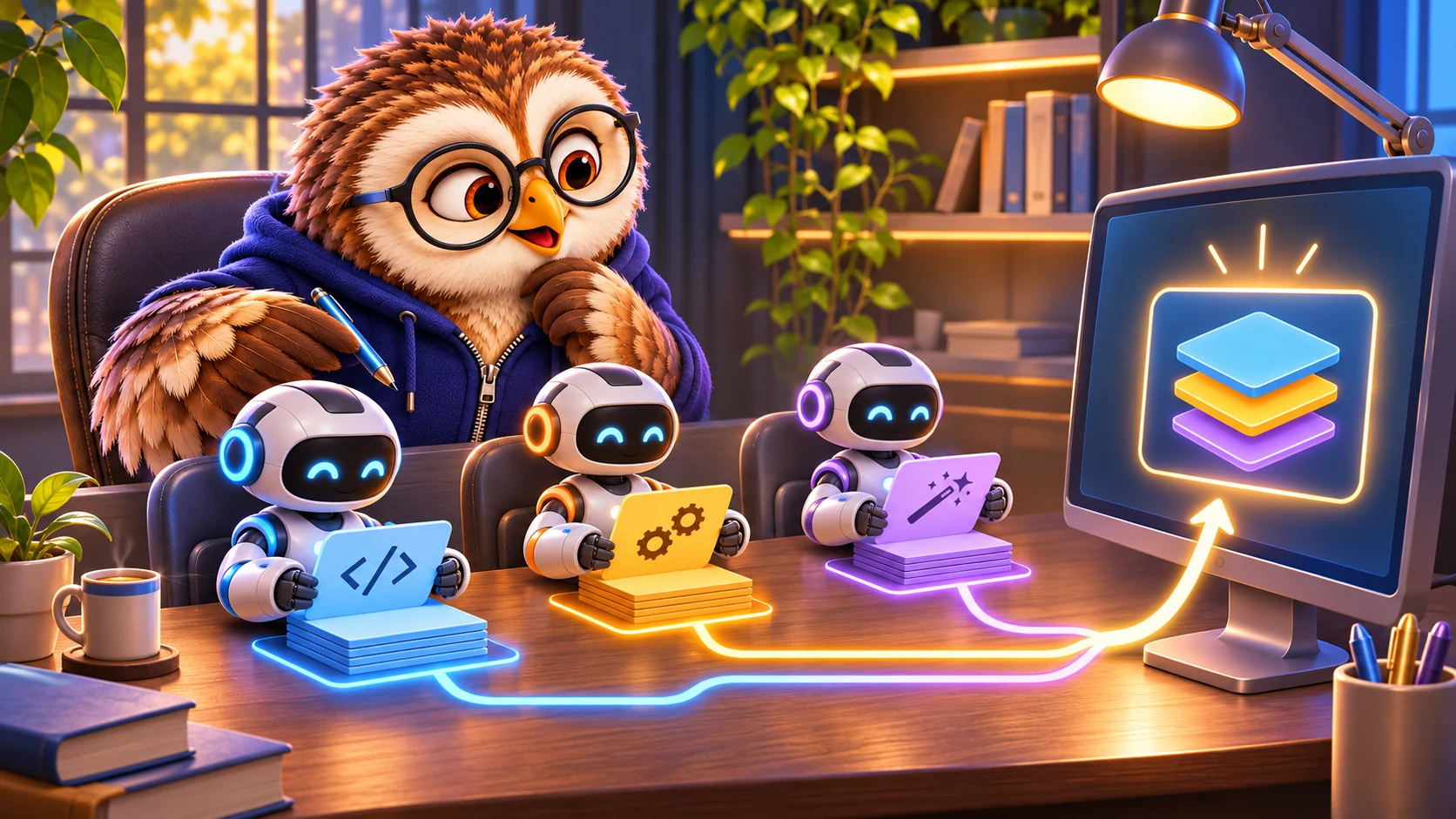
Claude Code says each subagent has its own context window and its requests count toward the same usage limits as the main conversation. Moving a lengthy investigation into a separate context can keep the main discussion focused; it does not promise a lower overall bill. OpenAI likewise notes that adding subagents can increase token usage.
Try a small review first
Choose two independent checks, define what each worker may inspect or change, and request a concise finding with evidence. Ask the coordinator to combine the findings and flag disagreements. Compare the final result with the expected behaviour and run relevant tests. For a short task with dependent steps, one agent may need less overhead.
Claude Code also documents controls for a subagent’s tools and permissions. Check the settings available in your own product and account before assuming every environment works the same way.