

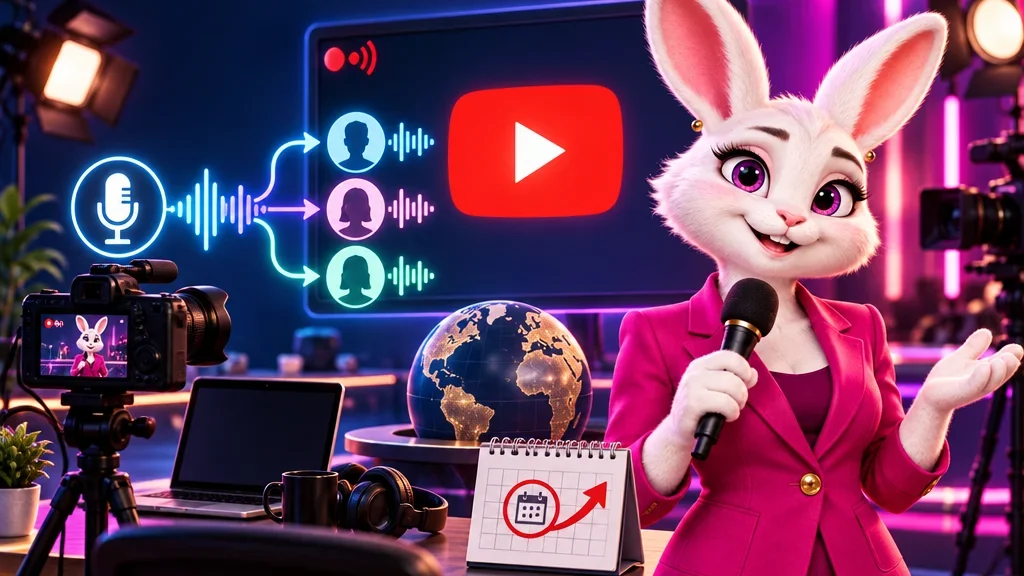
Picture a creator in Istanbul going live in Turkish while someone in Mexico City follows every sentence in Spanish, as it is spoken. That is the promise behind a feature YouTube calls Live auto dubbing, and it is not a rumour from a creator video: YouTube described it on its official blog on 23 September 2026.
What YouTube actually announced
In a post by Barbara Macdonald from YouTube Live product management, the company says Live auto dubbing “automatically translates your speech in real time”, so viewers can follow a stream in their preferred language. Dubbing here means a spoken audio track in another language, not just subtitles. The feature is not live for everyone yet: YouTube says it will be piloting it starting in early 2027. The post does not say which languages the pilot will cover or which channels will get access first.
How this differs from auto dubbing on uploaded videos
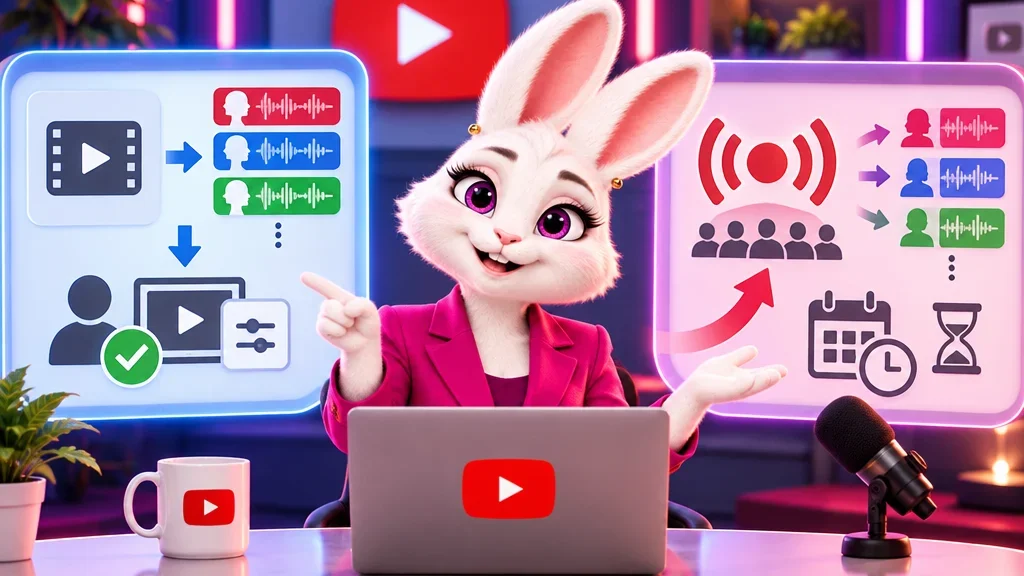
YouTube already offers automatic dubbing for regular uploads. According to YouTube Help, the system generates translated audio tracks, viewers can switch between the original and a dubbed track, and such videos are marked as “auto-dubbed” in the description. Creators can preview, publish or unpublish dubs in YouTube Studio on a computer. The difference with live is timing: on an upload the dub is produced after the fact, while the live version has to translate while you are still talking.
Why YouTube is pushing this now
The reason is in YouTube’s own numbers. The company says more than 40 percent of live watch time comes from viewers outside a creator’s home country. It also reports that in August 2026 more than 600 million logged-in viewers watched live content, including archived streams, every day. A large share of that audience may be listening to a language it does not speak well, and that is exactly the gap real-time dubbing targets.
Limits creators should keep in mind
For uploads, YouTube Help says automatic dubs can contain errors and cannot be edited directly; the suggested fix is correcting the original language setting so the dub is regenerated. Videos can also be ineligible, for example when there is little speech or the speech is too fast. YouTube has not published equivalent rules for live streams, so it is still open how errors, eligibility and creator control will work during the pilot.
What else is coming to YouTube Live
The same post lists more live tools. Go Live Together, a matchmaking option for finding co-hosts who are streaming right now, is due in early 2027. Live showdown, a head-to-head team competition driven by chats, gifts and Super Chats, is planned for 2027. React live, where creators watch and react to other videos, is expanding to eligible long-form videos.
Our take
Here is the tricky part. With uploads you get a review step before a dub goes public; in a live stream there is no such pause. That is our inference, not something YouTube has stated, but it means a translation slip reaches viewers immediately, with your name attached. So curiosity is good, caution is better: if your analytics already show a strong international live audience, the pilot is worth watching closely. Clear, steady speech is likely to help, since fast speech is already a known problem for dubbing on uploads. Whether the voice will feel natural enough for an audience to stay is something only the pilot can show.