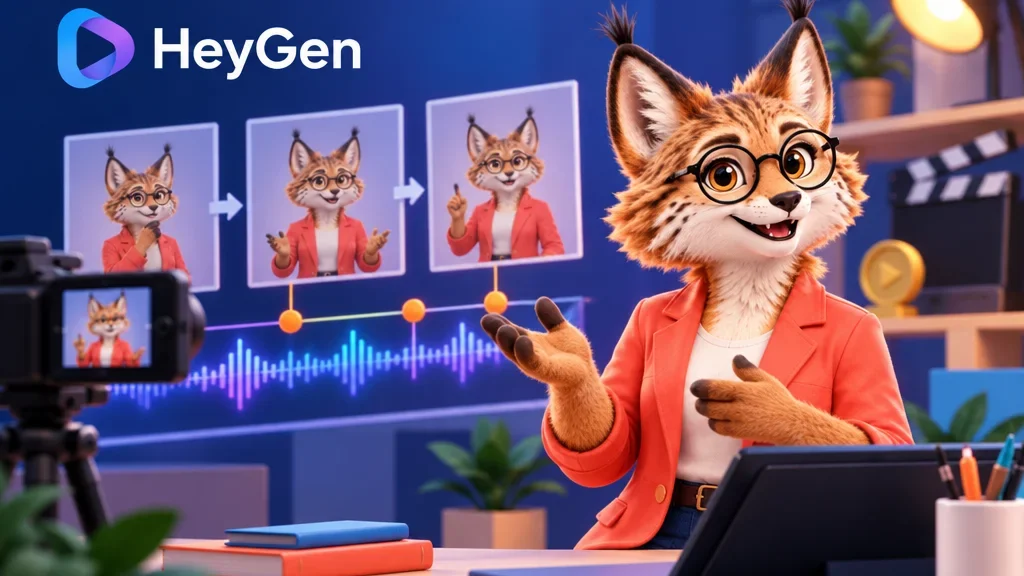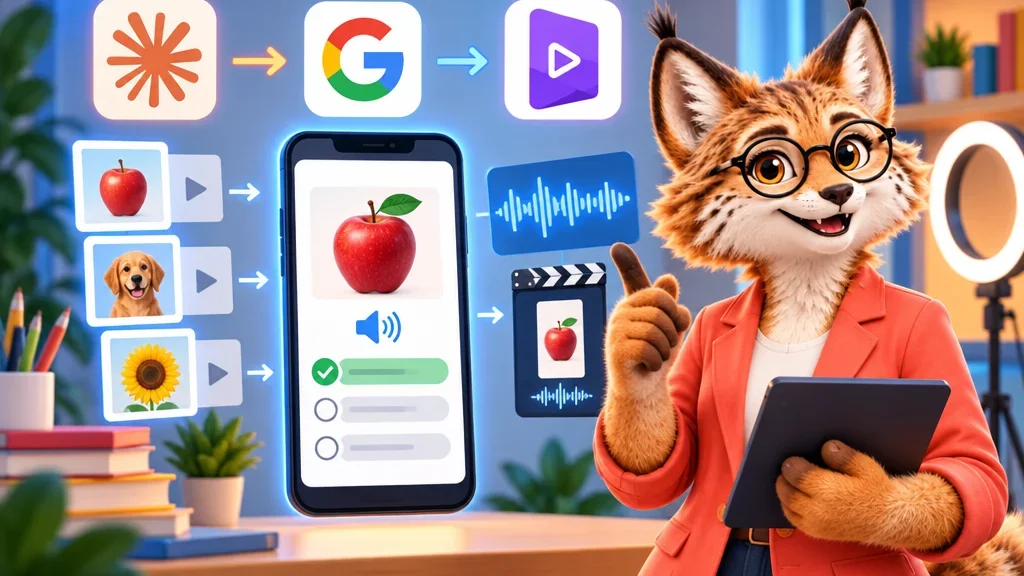
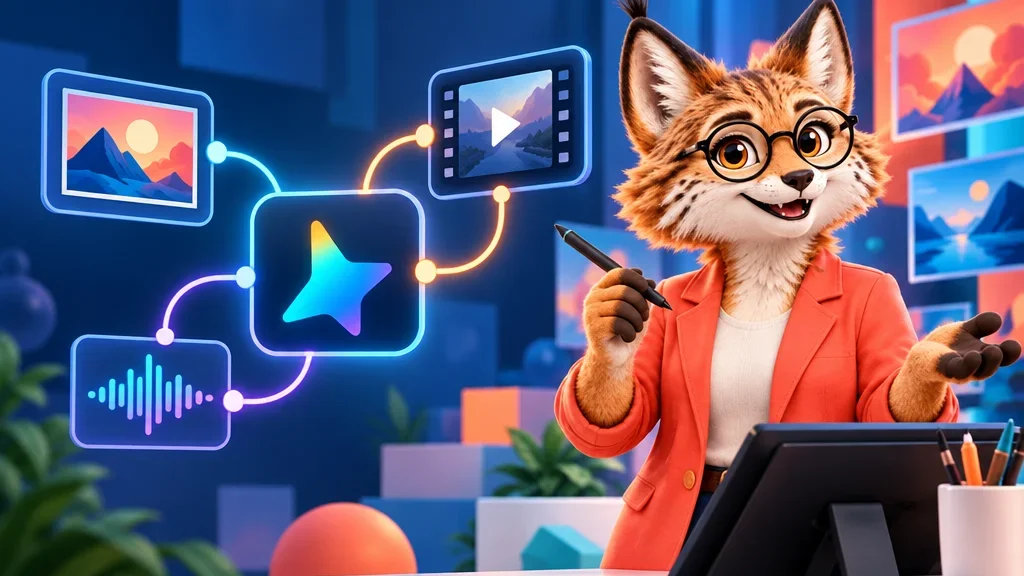
Anyone who has tried to make a short AI film knows the frustration: the hero looks one way in the first clip and slightly different in the third. Each generation starts from its own prompt, so faces, outfits and settings drift. ByteDance’s Dreamina now presents its AI Canvas as an answer to exactly that problem, by turning the prompt box into a connected map of steps.
What is Dreamina AI Canvas?
Dreamina describes AI Canvas as a node-based creative workspace. A node is a box on an open, infinite canvas that holds one piece of the project: a text, an image, a video, audio, a file or a subject. You connect nodes with lines, and the connection tells the next step what it should build on. Instead of retyping context for every generation, you keep prompts, references and settings attached to the work they shaped.
Dreamina also says you can create new versions of existing assets, then group, rearrange, rename and reconnect nodes, while the canvas keeps prompts, settings and generation history. You can search the current canvas, which matters once a project grows past a handful of boxes.
Which models run on the canvas?
According to Dreamina’s product page, one canvas can use Seedream 5.0 Pro for images, Seedance 2.5 for video and Seedaudio 2.0 for audio, and GPT Image 2 is listed as an image option as well. The practical point is that image, video and sound no longer live in separate tools that you export between.
How does it keep characters and products consistent?
This is the design choice worth noticing. Dreamina says principal nodes let you save key references, such as a character design or a product photo, and reuse them across generations. Because those references stay wired into later steps, a storyboard image and a video clip can draw from the same source rather than from a fresh text description each time. Same idea, a different frame: the look is defined once and then carried forward.
Can AI agents like Claude or Codex operate it?
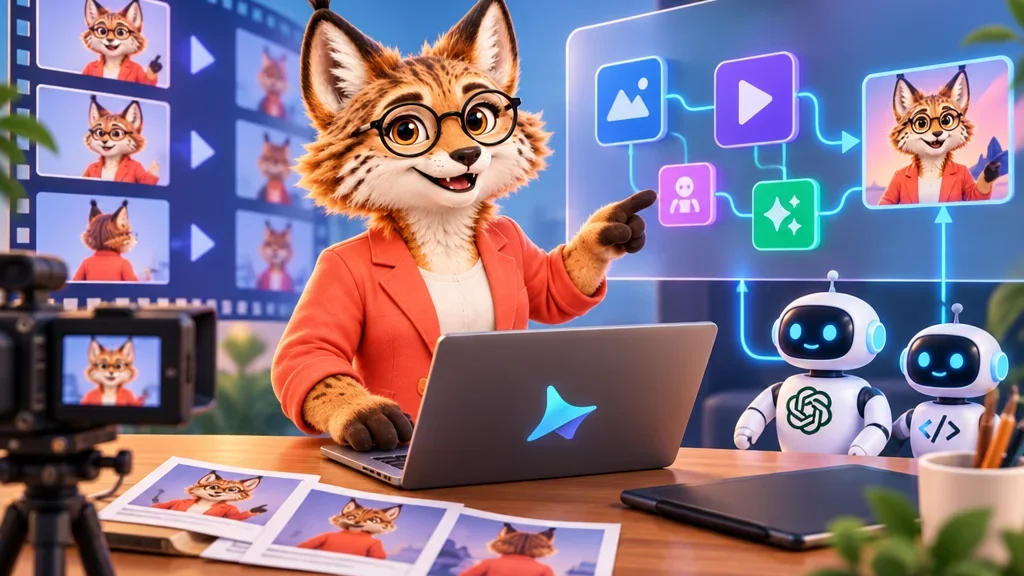
Yes, according to Dreamina. The canvas page says AI Agent and CLI support let users create and manage canvas nodes, work with specific nodes through AI, and let tools like Codex operate the canvas through the command line. A CLI, or command-line interface, is a text tool that software agents can call directly. Dreamina’s CLI page adds that you can describe a task to assistants such as Codex or Claude and they call the CLI for image and video generation. It lists batch generation of 1 to 10 image variations, handling of asynchronous tasks through task IDs, result queries and downloads, and separate sessions per workspace.
Who is it for, and what are the limits?
Dreamina pitches the canvas at short AI films built from first idea to rough cut, at advertising and product videos, and at large projects with many assets. Those are reasonable targets for a workflow tool. It is worth separating fact from inference, though: the features above come from Dreamina’s own product pages, and they describe what the system is meant to do, not independently tested output quality.
Editor’s assessment
The interesting shift is not a new model but a new structure. When references sit in the workflow instead of in your head, consistency becomes a property of the setup rather than a matter of luck with each prompt. Our inference is that this helps most on projects with recurring characters or a real product that must not be redesigned. The agent and CLI layer could make such setups repeatable at scale, but how reliably the models respect those references is something you should check on your own material before building a pipeline around it.
Ask AI about this article
Opens in a new tab with the question filled in.