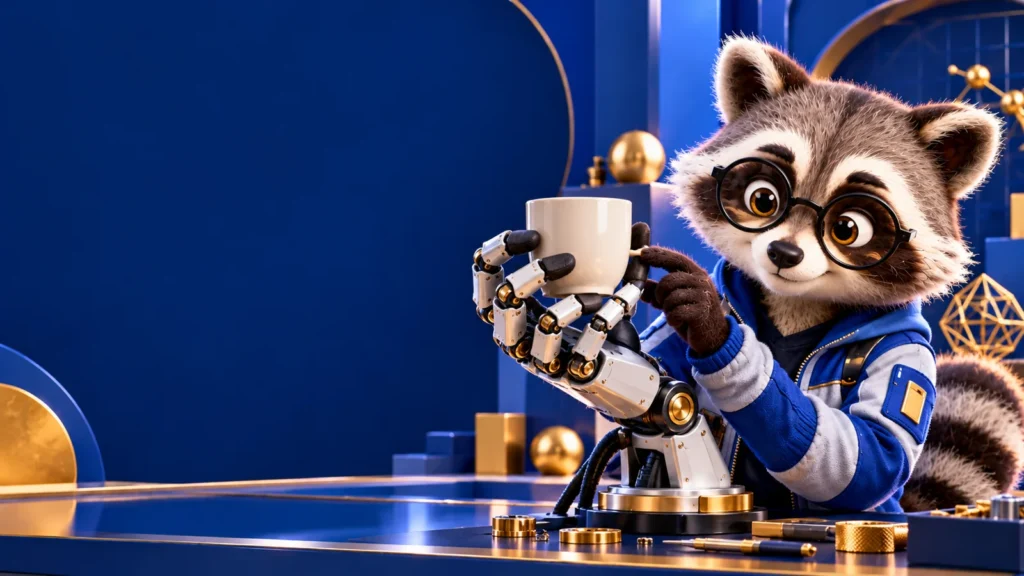
Picking up a cup involves more than closing a hand. The object, its position and the movement all matter. Figure’s Index initiative collects recordings of real human work to expand the physical experience available for training Helix.
One task contains many different situations
Figure’s August 25 announcement describes material from homes, restaurants, warehouses and offices. A familiar action performed with different objects and surroundings adds variation rather than merely another copy. The people contributing recordings also bring different ways of completing a task.
Collection is the start of the pipeline
Index includes quality filtering, fraud review, deduplication, rebalancing and annotation. Similar video segments are removed, while task quotas help distribute the remaining material. That places selection and diversity alongside the raw collection volume.
Dexterity has a data side
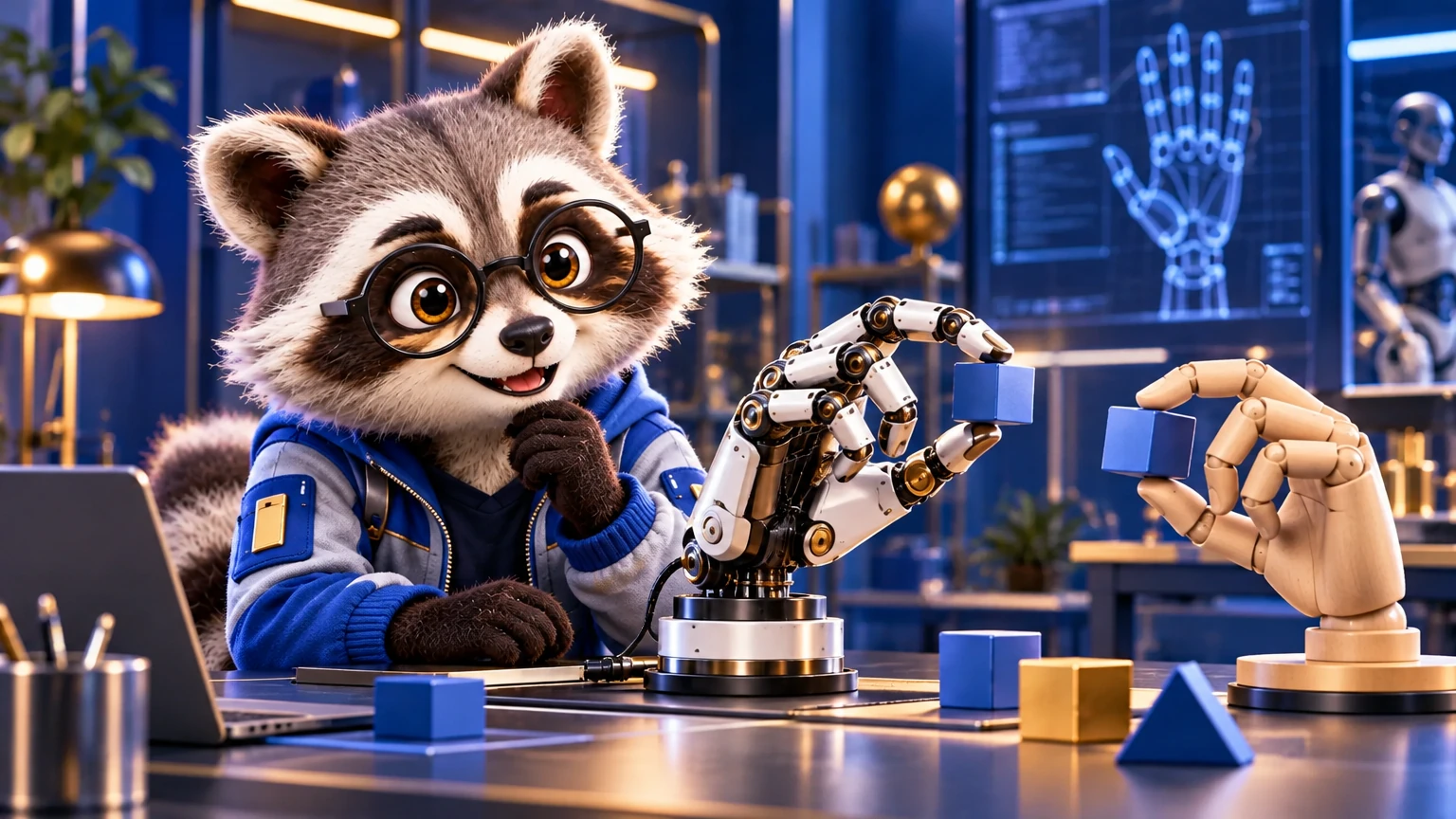
Holding a delicate object and wiping a surface involve different relationships between motion and material. Human recordings offer one route to capturing that range. A robot’s mechanical capabilities and the coverage of its learning material are two parts of the same physical system.
Riley’s assessment
The interesting question is how many different conditions an action represents, not just how many times it was recorded. Following tasks, objects and environments together gives a more useful picture of a robotics dataset. The next connection to watch is how that variety carries into the physical work the robot learns.